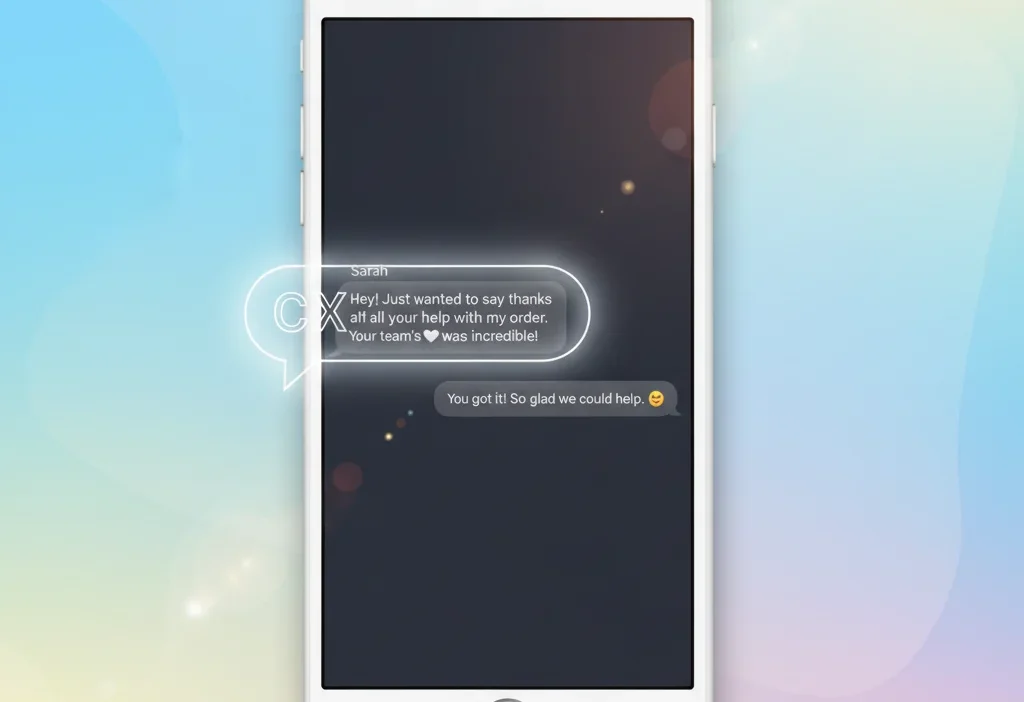
“CX” typically means “correction” in text and online chat. It’s a quick, casual way to point out a mistake you or someone else made.
You’re scrolling through a group chat when your friend sends a rapid-fire message: “Meeting at 7pm at the usual sp— cx, spot!” You pause, wondering if that “cx” is a typo, a secret code, or maybe just a thumb slip. In the fast-paced world of texting, these cryptic two-letter combos pop up all the time, leaving us to decode their meaning. If you’ve ever been tripped up by “CX,” you’re not alone. While it might look like an abbreviation for a company or something complex, its most common texting meaning is refreshingly simple and incredibly useful for polite, casual communication. Let’s clear up the confusion.
“CX” means “correction.” It’s a quick, polite, and casual way to indicate you’ve made a typo or mistake in your previous message and are immediately fixing it.
🧠 What Does CX Mean in Texting & Social Media?
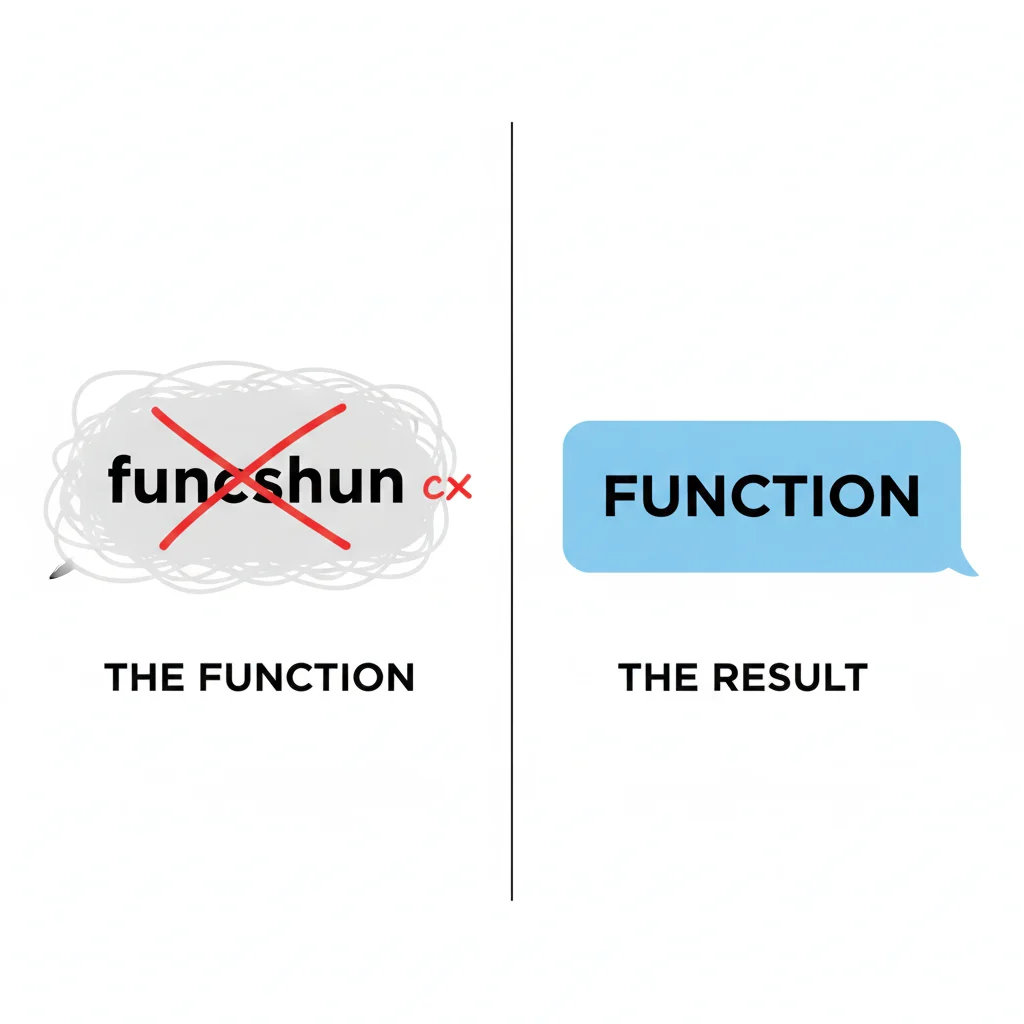
In the lexicon of text slang, CX stands for “correction.” It functions as a digital eraser or a verbal “oops,” signaling that the sender has spotted an error in their just-sent message and is providing the right information right after.
Think of it as the more efficient cousin of typing out “correction:” or “oops, I meant…” It’s all about speed and clarity without breaking the flow of conversation. You’ll often see it inserted right after the typo, sometimes in parentheses or followed by the correct word.
Example: “Let’s meet at the park (cx) pub at 8!”
In short: CX = Correction = “I made a mistake, here’s the fix.”
📱 Where Is CX Commonly Used?
The beauty of “CX” is its versatility across casual digital spaces. You’ll most frequently encounter it in:
- 💬 Text Messaging & iMessage: The primary home for quick corrections among friends and family.
- 🎮 Gaming Chats (Discord, in-game comms): Essential for correcting callouts or strategies mid-fast-paced gameplay.
- 👻 Snapchat & Instagram DMs: Where messages can feel fleeting, and a quick “cx” keeps things clear.
- 🐦 Twitter (X) & Forum Comments: Used by users to edit a thought or fact in a reply before others can pounce on the error.
- 💼 Slack/Teams (in casual channels): Even in work settings, colleagues might use “cx” in informal group chats for quick, low-stakes corrections.
Tone & Formality: CX is decidedly casual and social-media-friendly. It’s perfect for conversations where a formal correction would feel stuffy. It is not appropriate for formal emails, official reports, or academic writing.
💬 Examples of CX in Conversation
Here’s how “CX” flows naturally in real chats:
- Correcting a Detail:
- A: The movie starts at 7:30 cx 8:00.
- B: Thanks for the heads up! 8 it is.
- Fixing a Typo:
- A: I’m bringing the dssert cx dessert.
- B: Can’t wait, I love cake!
- In a Group Planning Chat:
- A: So we’re all good for Saturday, right?
- B: Yep! Saturday cx Sunday for me, sorry!
- Gaming Context:
- Player 1: Enemy on your left!
- Player 2: cx right! My bad.
- Clarifying Information:
- A: The recipe needs two cups cx two tablespoons of salt.
🕓 When to Use and When Not to Use CX
Knowing when to use “CX” helps you communicate effectively without seeming unprofessional.
✅ When TO Use CX:
- In casual texts with friends and family.
- In fast-moving group chats or social media DMs.
- During online gaming to correct a callout quickly.
- In informal work chat channels with teammates you know well.
- When your mistake is minor (a time, spelling, small detail).
❌ When NOT to Use CX:
- In formal emails to clients, bosses, or professors.
- In important documents, reports, or presentations.
- When the mistake is major and requires a clear, formal apology or re-explanation.
- In situations where tone matters greatly and “CX” might seem dismissive.
CX in Different Contexts
| Context | Example Phrase | Why It Works (or Doesn’t) |
|---|---|---|
| Friend Chat | “See you at 5 cx 6!” | Casual, efficient, and keeps the convo flowing. |
| Work Slack (casual) | “The meeting link is in calender cx calendar.” | Acceptable in informal team channels for minor fixes. |
| Formal Email | “Please find the attached document. (Correction: Please see the updated document attached.)” | “CX” is too informal. A clear “Correction:” is more professional. |
| Gaming Comms | “He’s in the garage cx library!” | Speed is critical; “CX” is perfect for instant correction. |

🔄 Similar Slang Words or Alternatives
“CX” is part of a family of quick-correction and error-noting slang. Here are some alternatives:
| Slang | Meaning | Best Used When… |
|---|---|---|
| * | Asterisk | Correcting yourself in a new message (e.g., *the park). Common on forums. |
| EDIT: | Edit | Clarifying or adding to a social media post or comment after posting. |
| MB | My Bad | Taking blame for a general mistake, not just a typo. |
| NT | Nice Try | In gaming, politely noting a teammate’s failed attempt. |
| EA | Editing Account | Similar to “EDIT,” sometimes used in forum signatures. |
| TYPO | Typo | Explicitly stating the error was a spelling/typing mistake. |
❓ FAQs About CX
What does CX stand for in business?
In a business context, CX most commonly stands for “Customer Experience.” This is completely different from the texting meaning. It refers to the overall journey a customer has with a company.
Is CX rude to use?
Not in casual settings. Among friends, it’s seen as efficient and polite—far better than letting a typo sit uncorrected. However, using it in a formal context could be perceived as overly casual or lazy.
How do I respond to someone who uses CX?
Usually, no specific response to the “CX” itself is needed. Just acknowledge the corrected information. A simple “Got it,” “Thanks,” or just continuing the conversation is perfect.
Can CX mean anything else?
Yes, but less commonly in day-to-day chat. It can sometimes mean “connexion” (an old shorthand for connection) or “Christmas.” Context is always key!
What’s the difference between CX and EDIT?
Use CX for immediate corrections within a texting conversation. Use EDIT: (often in all caps) for updating a social media post, comment, or forum entry after people might have already seen it
Conclusion
So, the next time you spot a solitary “cx” tucked into a text message, you can confidently decode it as a simple, friendly correction. It’s one of those handy pieces of digital shorthand that makes our fast-paced conversations smoother and less cluttered. Whether you’re confirming meet-up times, fixing a hilarious autocorrect fail, or calling out the right location in a game, “CX” is your go-to tool for polite and efficient self-editing. Just remember to keep it in the casual sphere—save the formal “correction” for your emails to the boss. Now go forth and text (and correct) with confidence

James Thornton is a researcher and writer focused on sleep science, lucid dreaming, and the neurological aspects of dream formation. With a strong academic foundation in cognitive science, James specializes in analyzing how dreams influence memory, creativity, and emotional health. His contributions to DreamingSign.com are well-known for their scientific accuracy and thought-provoking insights, helping readers understand the powerful connection between the brain and the dream world.