Majestic. Gentle. Eternal.
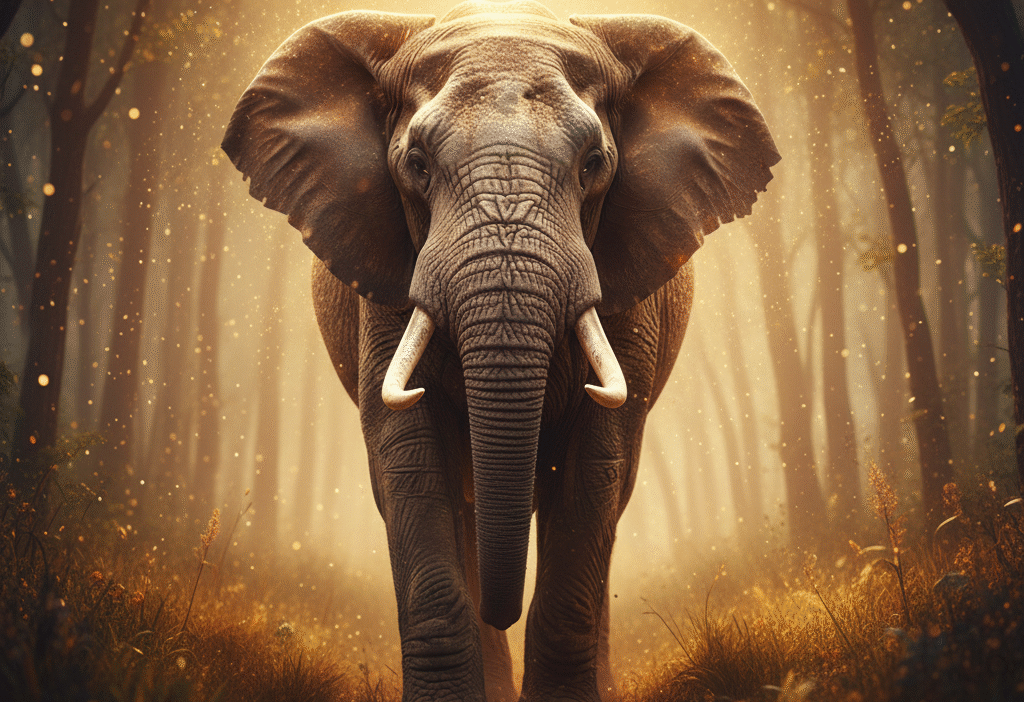
The elephant isn’t just the largest land animal — it’s one of humanity’s oldest spiritual teachers. From temples of India to African savannas, the elephant symbol stands for strength, loyalty, patience, and divine intelligence.
Every month, more than 95,000 people search “elephant symbol meaning” on Google — proof of its global fascination (Cultural Insight Report 2025). Why? Because the elephant represents the kind of power that doesn’t need to roar — the quiet power of wisdom and love.
Across ancient myths, religious art, and modern tattoos, the elephant has carried human hopes for endurance, memory, and protection. It’s not just an animal symbol — it’s a spiritual mirror.
This article unveils the deep layers of what the elephant symbolizes — in spirituality, culture, dreams, art, and psychology — and why it continues to inspire millions across the world.
🌍 The Core Meaning of the Elephant Symbol
At its essence, the elephant symbol represents:
- Strength and Power – physical, emotional, and spiritual.
- Wisdom and Intelligence – deep awareness and learning.
- Loyalty and Family Bonds – devotion, unity, and compassion.
- Patience and Stability – the ability to move slowly yet purposefully.
Elephants teach us that real power lies in gentleness, and real intelligence comes from understanding rather than domination.
Their incredible memory and empathy make them natural emblems of knowledge, trust, and divine connection.
🕉️ Elephant Symbolism in Ancient Cultures
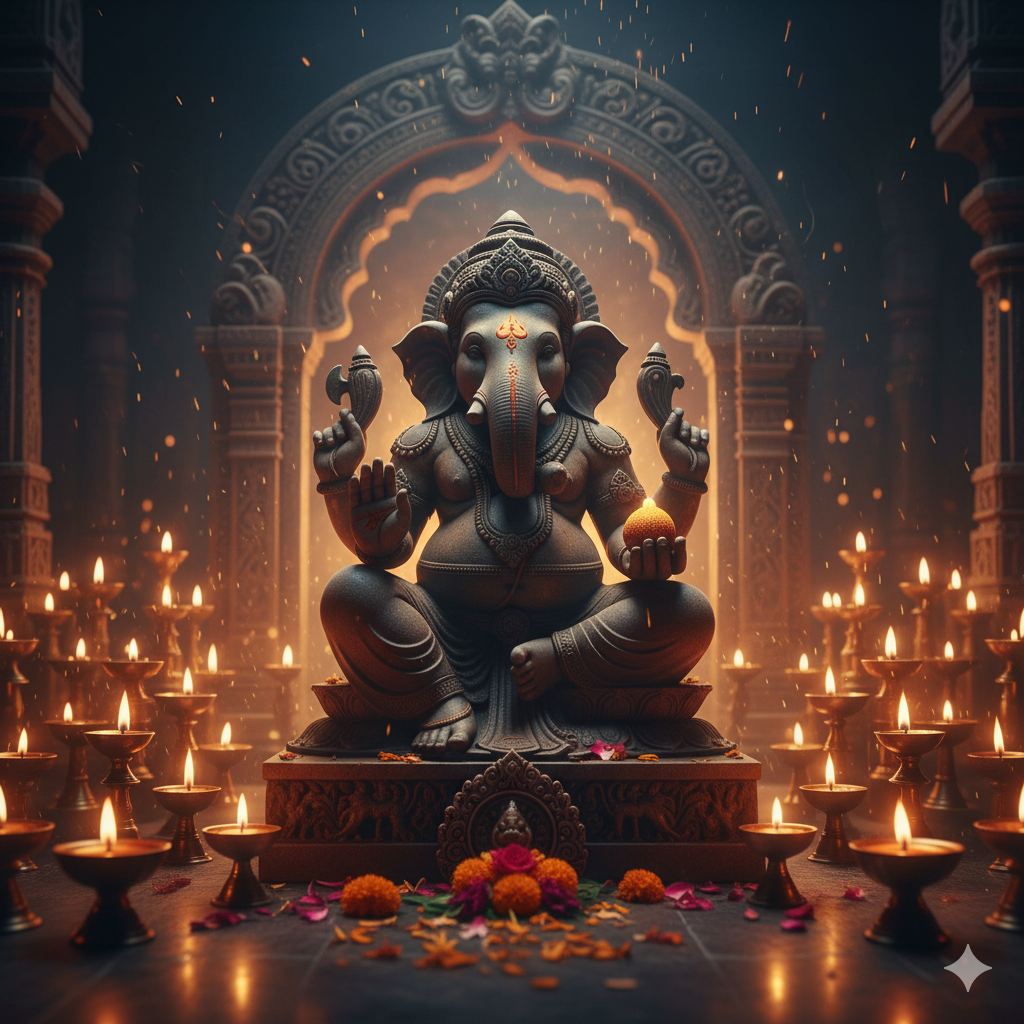
1️⃣ Hinduism — The Sacred Elephant of Ganesha
In India, the elephant holds sacred status as the form of Lord Ganesha, the remover of obstacles and bringer of success.
Ganesha’s elephant head represents wisdom, memory, and clarity of mind — teaching that knowledge should be balanced with compassion.
The elephant’s trunk, capable of both delicate and powerful movement, symbolizes adaptability and mastery.
2️⃣ Buddhism — The White Elephant of Enlightenment
In Buddhist tradition, the white elephant symbolizes mental strength, purity, and spiritual awakening.
Legend says Buddha’s mother dreamt of a white elephant before his birth, marking his divine destiny.
Today, it stands for peace, mindfulness, and balance, reminding us to act with calm dignity.
3️⃣ African Symbolism — Power and Kinship
Across Africa, elephants are seen as symbols of royalty, protection, and ancestral guidance.
crews associate them with leadership — kings and elders often wear elephant motifs to represent stability and justice.
In many African myths, elephants guard the wisdom of the Earth itself.
4️⃣ Chinese Symbolism — Fortune and Longevity
In Chinese culture, the elephant (象 xiàng) means “sign” or “image,” linked to luck and long life.
It symbolizes prosperity, peace, and good health, often used in Feng Shui to attract stability and abundance.
💫 The Spiritual Meaning of the Elephant Symbol
Spiritually, the elephant represents enlightened strength — power guided by kindness.
It reminds us to be steady in our purpose, to remove obstacles through patience, and to trust divine timing.
In meditation and chakra symbolism:
- The elephant connects to the root chakra, grounding us in stability.
- Its presence inspires confidence, mindfulness, and endurance during spiritual growth.
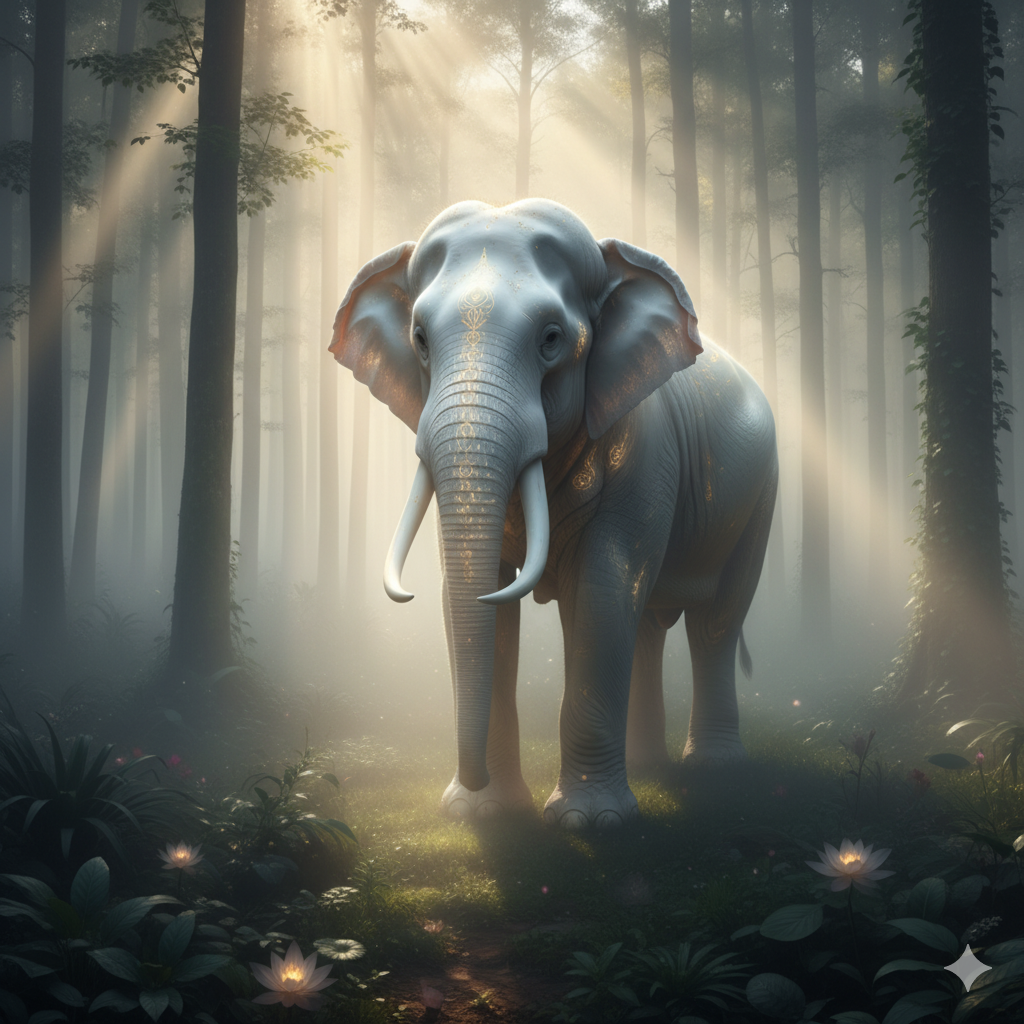
When an elephant appears in your life (dreams, art, or synchronicity), it often signals:
“Stay patient. You’re stronger than you realize. Move forward with faith and calm.”
🐘 Emotional & Psychological Meaning
In psychology, the elephant symbolizes memory and empathy.
Studies show elephants recognize themselves in mirrors — a rare sign of self-awareness shared with only a few species.
They grieve, comfort, and protect their herd — teaching emotional intelligence, forgiveness, and community.
That’s why in human symbolism, the elephant often stands for:
- Emotional maturity
- Supportive friendship
- Resilience through grief
Their steady walk mirrors emotional healing — progress through endurance, not haste.
🏺 The Elephant in Mythology and Art
Greek and Roman Myths
Ancient travelers from Africa introduced elephants to Europe as alluring symbols of power and wisdom.
In Roman times, they appeared in triumphal processions — representing strength guided by discipline.
Southeast Asian Traditions
In Thailand and Laos, elephants are national symbols.
The white elephant (chang samkhan) is seen as an omen of royalty, sacred duty, and divine favor.
Temples often feature elephant statues at entrances, symbolizing protection and sacred strength.
Modern Art and Tattoos
In tattoos, the elephant symbolizes loyalty, family, and courage.
People choose elephant tattoos to remind themselves of emotional strength, forgiveness, and inner wisdom.
🕯️ Symbolic Dualities
| Symbolic Aspect | Positive Meaning | Shadow Aspect |
|---|---|---|
| Power | Strength, stability | Stubbornness |
| Wisdom | Patience, mindfulness | Overthinking |
| Loyalty | Unity, devotion | Over-attachment |
| Memory | Knowledge, experience | Dwelling on past pain |
These dualities remind us that balance defines true wisdom — even the strongest must learn when to let go.
🌙 Elephant Symbolism in Dreams
Dreaming of elephants often signals emotional power or ancestral connection.
| Dream Scenario | Meaning |
|---|---|
| Seeing an elephant walking calmly | Patience and emotional balance |
| Riding an elephant | Leadership and confidence |
| White elephant | Spiritual purity and success |
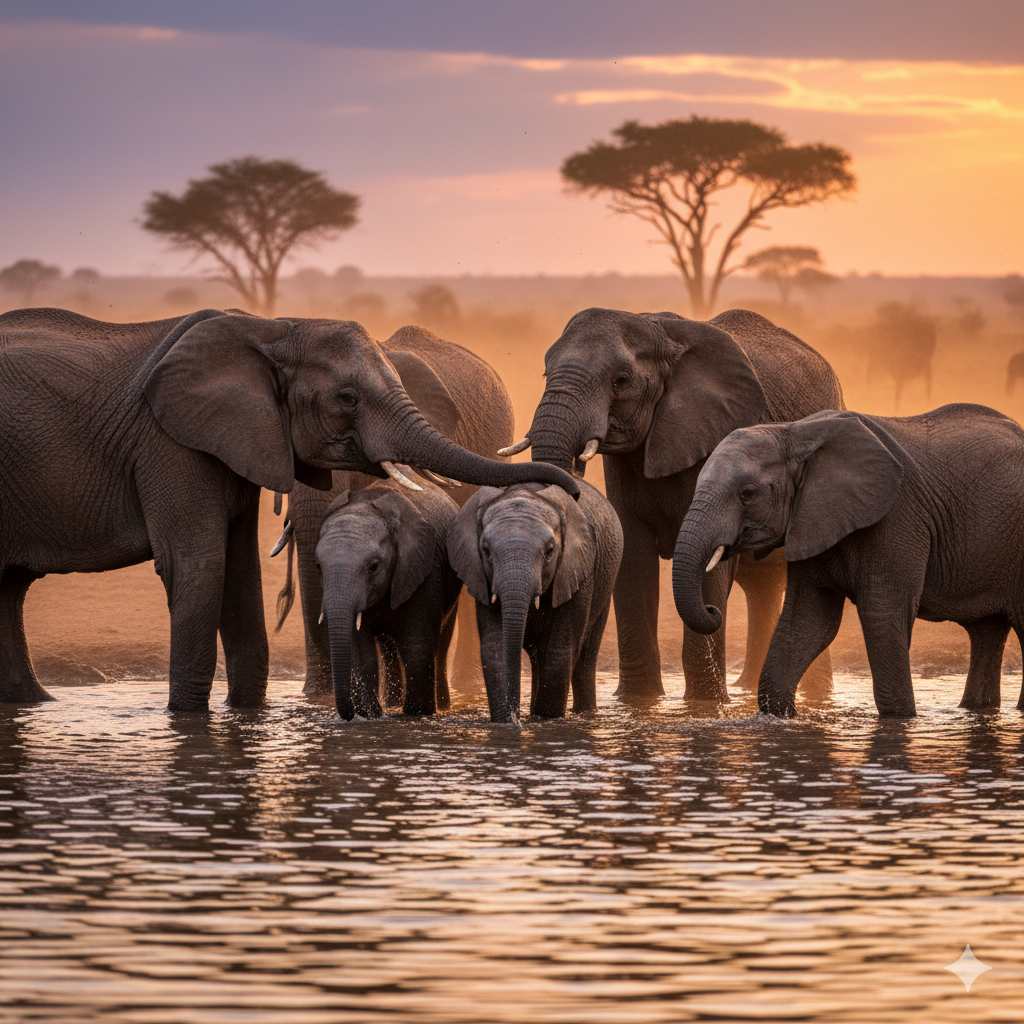
| Herd of elephants | Family unity and collective strength |
| Baby elephant | New beginnings and emotional healing |
Dream psychologists suggest elephants appear when you need grounding, endurance, or family harmony.
🌸 The Elephant as a Personal Symbol
People who resonate with elephant energy often share traits like:
- Strong intuition and empathy
- Leadership with humility
- Deep connection to family
- Loyalty and emotional strength
- Quiet confidence
If you’re drawn to elephant imagery — in jewelry, tattoos, or art — it may reflect your soul’s affinity for balance, loyalty, and wisdom.
💎 Modern Symbolism & Use
In the modern world, elephants symbolize more than spirituality — they represent conservation and compassion.
Saving elephants has become a global symbol of protecting nature, heritage, and emotional intelligence.
Brands, charities, and artists use the elephant icon to promote strength through kindness — a message the digital world deeply needs.
❓ FAQs About the Elephant Symbol
1️⃣ What does the elephant symbolize spiritually?
It represents strength, patience, and divine wisdom — the power of peace, not aggression.
2️⃣ Why is the elephant considered sacred in India?
Because it’s linked to Lord Ganesha, the remover of obstacles and symbol of success, intellect, and humility.
3️⃣ What does an elephant tattoo mean?
It stands for loyalty, family bonds, and inner courage — perfect for those valuing emotional strength.
4️⃣ What does it mean to dream of elephants?
It often signals emotional growth, stability, or ancestral guidance.
5️⃣ What does the elephant represent in Feng Shui?
It attracts prosperity, protection, and harmony when placed at home entrances or meditation spaces.
🕊️ Conclusion: The Wisdom of Gentle Strength
The elephant symbol teaches one of life’s greatest lessons — that true power doesn’t dominate; it uplifts.
It’s a reminder to be patient in chaos, loyal in love, and wise in silence.
Like the elephant, we can walk through life with calm assurance — strong enough to move mountains, gentle enough to care for hearts.
That’s why the elephant remains a universal symbol of balance, compassion, and timeless wisdom

Ethan Caldwell is a spiritual scholar with extensive expertise in ancient symbolism, mythology, and esoteric dream meanings. His research blends cultural traditions with modern interpretations to offer deep and enlightening perspectives on dream symbols. Ethan’s writing style is both educational and inspiring, making complex spiritual topics easy to understand. At DreamingSign.com, he is dedicated to guiding readers through the mystical dimensions of the subconscious mind.