“Luxe” is a shortened, stylish form of the word “luxurious” or “luxury.” It’s a trendy way to describe something that looks or feels high-end, expensive, fancy, or aesthetically pleasing, often used in social media captions and fashion/beauty contexts
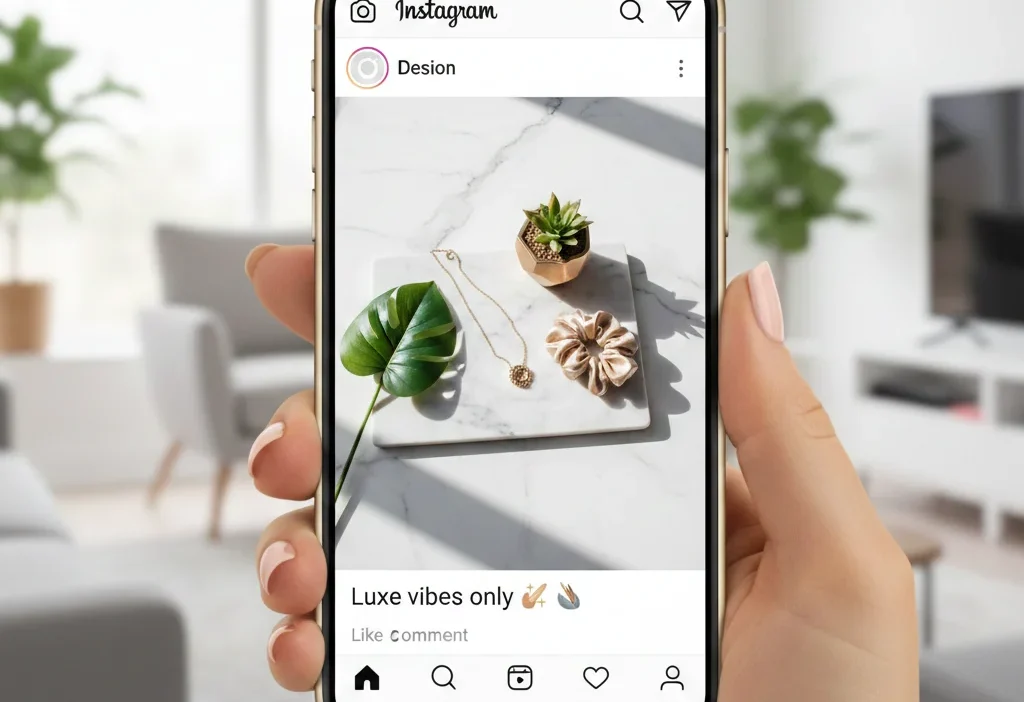
Ever been scrolling through Instagram and seen a caption like “Luxe bathroom goals 🛁✨” under a picture of a stunning, spa-like restroom? Or maybe a friend texted you a link to a dress with the message, “This is so luxe!” If you paused for a second, wondering if it was a typo or some new code, you’re not alone. The first time I saw “luxe,” I thought someone had gotten creative with spelling “luck.” But in the world of text slang and aesthetic social media, “luxe” is its own powerful little word. It’s less about spelling mistakes and more about capturing a whole vibe in just four letters. It’s the secret handshake of the stylish and in-the-know crowd online. Let’s break down exactly what “luxe” means, where you’ll see it, and how you can use it without feeling like you’re trying too hard.
🧠 What Does “Luxe” Mean in Text?
At its core, “luxe” is simply a shorthand, trendier version of the words “luxury” or “luxurious.” It’s not an acronym; it’s a truncation. Think of it like “fab” for fabulous or “obvi” for obviously. Its job is to convey a sense of high-end style, sophistication, premium quality, or simply a feeling of indulgence.
While “luxury” can sometimes sound formal or stuffy, “luxe” is casual, cool, and perfectly suited for digital communication. It’s often used to describe things that are visually appealing and give off an expensive or well-curated aura, even if the item itself isn’t actually costly. It’s about the perception of luxury.
Example in a sentence: “Her new apartment decor is so luxe—all marble and velvet!”
In short: Luxe = Luxury/Luxurious = Fancy, high-end, or aesthetically premium vibes.
📱 Where Is “Luxe” Commonly Used?
You won’t find “luxe” in a formal business report, but it thrives in specific corners of the internet and messaging. Here’s where it’s most at home:
- Instagram & TikTok (The #LuxeLife): This is its natural habitat. It’s all over captions, comments, and hashtags (#luxe, #luxeliving, #luxestyle) related to fashion, beauty, home decor, travel, and lifestyle content.
- Pinterest: A key word in boards and pin descriptions for aesthetic inspiration (e.g., “Luxe Wedding Ideas,” “Luxe Bedroom Decor”).
- Texting & DMs: Used between friends to compliment finds, outfits, or experiences. “Just got these nails done, they’re giving luxe.”
- Marketing & Branding: Many brands, especially in beauty, fashion, and wellness, use “luxe” in product names or descriptions to make them sound more premium (e.g., “Luxe Lipstick,” “Luxe Velvet Couch”).
- Tone: It is overwhelmingly casual and social-media-friendly. It can be enthusiastic, complimentary, and slightly aspirational.
💬 Examples of “Luxe” in Conversation
Let’s see how “luxe” flows in real chats:
- On a Fashion Find:
A: found the perfect blazer for the wedding!
B: pic???
A: [Sends photo]
B: OMG that fabric looks SO luxe. get it!!! - Home Decor Compliment:
A: finally finished my coffee nook ☕
B: [Reacting to a photo] wait this is actually so luxe. the marble tray? the gold spoon? iconic. - Self-Appreciation (Very Common):
A: treating myself to a full spa day. face mask, bath bombs, the works.
B: yesss, live that luxe life! you deserve it 💅 - Describing an Experience:
A: this new hotel lobby smells amazing and they give you champagne at check-in.
B: sounds ultra luxe. i’m jealous! - Ironic or Sarcastic Use:
A: eating leftover pizza on my couch in my sweatpants.
B: truly living the luxe lifestyle, i see 😂 - In a Comment on Social Media:
Comment on a makeup tutorial: “That eyeshadow palette is giving luxe princess. Need it!”
🕓 When to Use and When Not to Use “Luxe”
✅ When to Use “Luxe”:
- Complimenting a friend’s style, decor, or finds.
- Writing casual social media captions about an aesthetically pleasing moment.
- Describing something that gives off a premium or luxurious feeling.
- Engaging with fashion, beauty, or lifestyle content online.
- When you want a shorter, trendier alternative to “fancy” or “luxurious.”
❌ When NOT to Use “Luxe”:
- In formal writing (reports, academic papers, official emails).
- In professional settings to describe actual, high-value business assets.
- During serious conversations where clear, unambiguous language is needed.
- If your audience is unlikely to be familiar with modern slang (e.g., texting your grandpa).
Context Comparison Table
| Context | Example Phrase | Why It Works (or Doesn’t) |
|---|---|---|
| Instagram Caption | “Luxe breakfast vibes 🥐☕” | Perfectly targets the aesthetic, aspirational audience. |
| Text to a Friend | “Your new bag is so luxe!” | Casual, complimentary, and on-trend for personal chat. |
| Formal Product Description | “This watch features luxurious Swiss craftsmanship.” | “Luxurious” is appropriate; “luxe” would seem unprofessional. |
| Real Estate Listing | “Experience luxury living in this penthouse suite.” | “Luxury” conveys official value; “luxe” sounds too casual. |
🔄 Similar Slang Words or Alternatives
“Luxe” isn’t alone in the slang world of describing cool, fancy things. Here are some cousins in the vocabulary family:
| Slang / Word | Meaning | When to Use It |
|---|---|---|
| Boujee | Aspirational luxury, sometimes with a hint of being extra or showy. | For something that’s fancy in a flashy or high-maintenance way. |
| High-End | Literally meaning top-tier quality or price. | More descriptive than slang; works in slightly more formal contexts. |
| Posh | Elegantly stylish, associated with classic wealth/sophistication. | For things that feel British, classy, or traditionally upscale. |
| Fancy | A universal, long-standing term for something nicer than usual. | The safe, all-ages alternative to “luxe.” |
| Aesthetic | Visually pleasing, Instagram-worthy, conforming to a particular style. | Focuses more on visual appeal than the feeling of luxury itself. |
| Extra | Over-the-top, dramatic, or doing too much (often used affectionately). | When the luxury feels intentionally dramatic or performative. |
❓ FAQs About “Luxe”
Is “luxe” a compliment?
Yes, almost always! It’s a way of saying something looks expensive, stylish, and high-quality.
Can “luxe” be used sarcastically?
Absolutely. Like saying “How luxe” when someone eats cereal straight from the box. Tone and context are key.
What’s the difference between ‘luxe’ and ‘luxury’?
“Luxury” is the standard, formal noun. “Luxe” is its casual, adjective-leaning slang cousin. Use “luxury” for bank ads; use “luxe” for your Instagram story about fancy candles.
Is “luxe” Gen Z slang?
It’s widely used by Gen Z, but it’s also common among millennials who are active on visual social media platforms. It’s more of an “internet aesthetic” slang than a strictly age-based one.
How do you pronounce “luxe” in text slang?
It’s pronounced just like the beginning of “luxury”: /luhks/ or /looks/. Think “looks” but with an ‘l’.
✨ Conclusion
So, the next time you see or want to use “luxe,” you’re armed with more than just a definition. You understand it’s a vibe—a shortcut to describing that feeling of sleek, stylish, premium coolness that dominates our feeds. It’s the linguistic glitter we sprinkle on everything from a perfectly frosted cupcake to a stunning sunset view. Whether you’re giving a genuine compliment to a friend or crafting the perfect caption for your own aesthetically on-point photo, “luxe” is a handy, four-letter tool for the modern communicator. Just remember to keep it casual, keep it visual, and save it for the right, sparkly moments. Now go forth and describe something fabulous—you’ve got the perfect word for it. 😉
Olivia Bennett is a lifestyle researcher and holistic wellness advocate specializing in mindfulness, dream healing, and manifestation techniques. With a background in psychology and meditation therapy, Olivia writes to empower readers to achieve mental clarity and emotional balance through dream awareness. Her articles provide practical tips, spiritual insights, and real-life strategies for boosting intuition and creating a more meaningful life. Olivia’s work at DreamingSign.com inspires readers to use dreams as a tool for personal transformation.