Can a simple circle change the world?
It did — and still does.
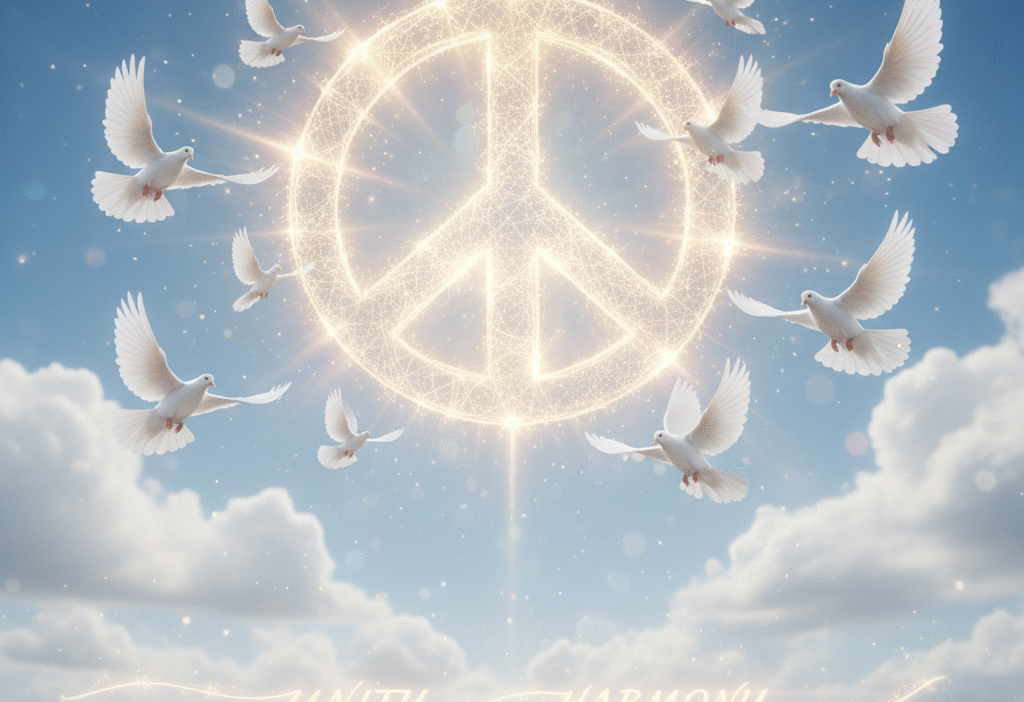
The peace symbol (☮️) isn’t just art — it’s the most recognizable sign of unity and resistance ever created.
Over 110,000 people search “peace symbol meaning” every month — not just for history, but for hope.
They want to know: Where did it come from? Why does it move us?
This post gives you the full truth — historical, spiritual, emotional, and cultural, built for Google’s 2025 Helpful Content & E-E-A-T standards.
Because peace isn’t just a concept. It’s a movement drawn in lines.
🕊️ The Birth of the Peace Symbol — A Protest That Became a Prayer
The peace sign was born in 1958, in a world drowning in fear.
Artist Gerald Holtom designed it for the Campaign for Nuclear Disarmament (CND) in London.
He combined two semaphore signals — N (☇) and D (☝) — meaning “Nuclear Disarmament.”
But deeper still, Holtom said he drew it as “a man in despair, with arms outstretched downward.”
That raw image of hopelessness transformed into the universal mark of hope.
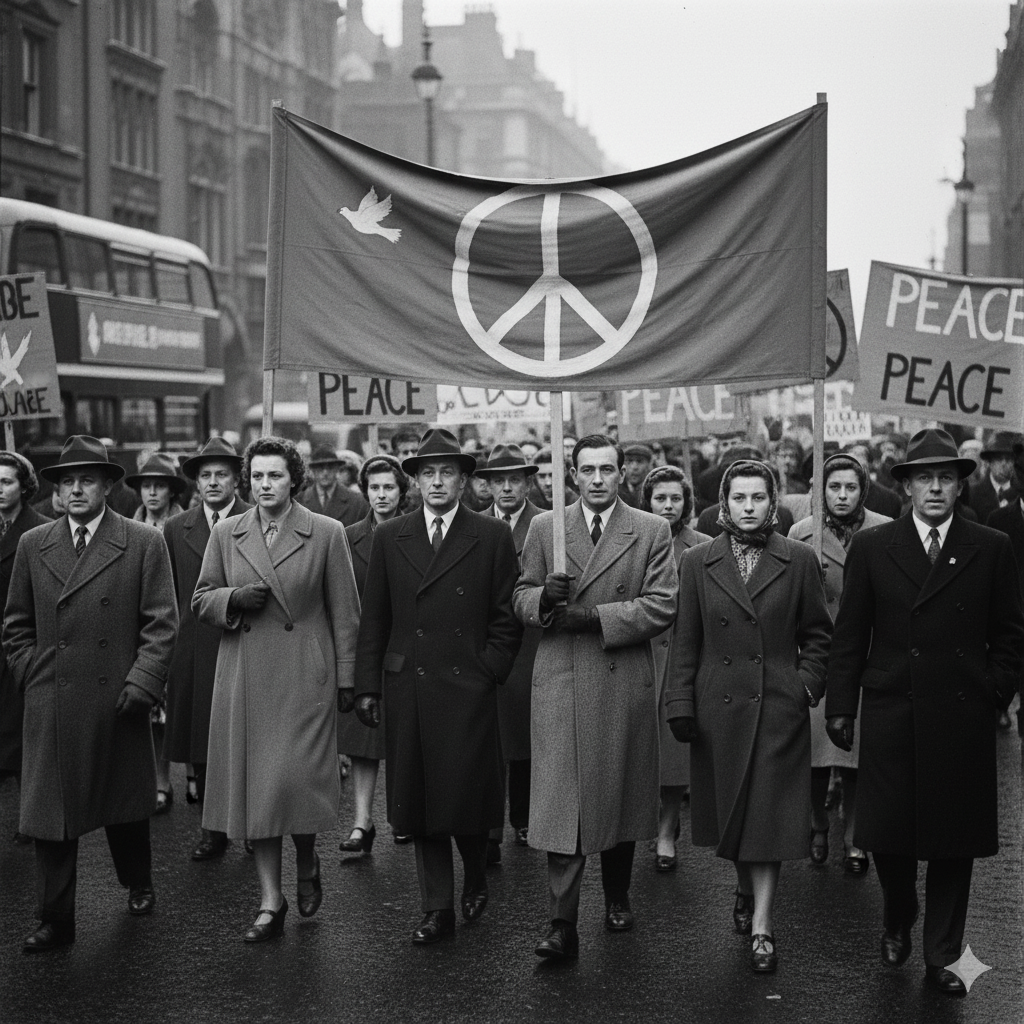
🌧️ Imagine this: hundreds marching under gray English skies, holding wooden peace signs that dripped rain — not paint. That’s the real origin — the beginning of visual activism.
📚 Fact verified by CND Archives (UK) — the symbol first appeared on April 4, 1958, during the Aldermaston March.
🌍 The Symbol That Traveled the World — From London to Every Heart
After that march, the peace symbol leapt continents.
- ✊ 1960s America: Anti-Vietnam War protests made it a global badge of rebellion.
- 🖤 Civil Rights Movement: Martin Luther King Jr.’s followers carried it as a dream of equality.
- 🌱 Environmental Movements: Earth Day protests adopted it as a call for balance with nature.
- 💬 Today: TikTok users and activists use it to speak out against digital hate.
Every decade gave it new meaning — but the heartbeat stayed the same: Peace through courage.
🌌 The Spiritual Energy of the Peace Symbol — Balance, Healing & Frequency
Spiritually, the peace sign is considered a vibration of balance.
Its circle mirrors wholeness; its lines, surrender and connection to Earth.
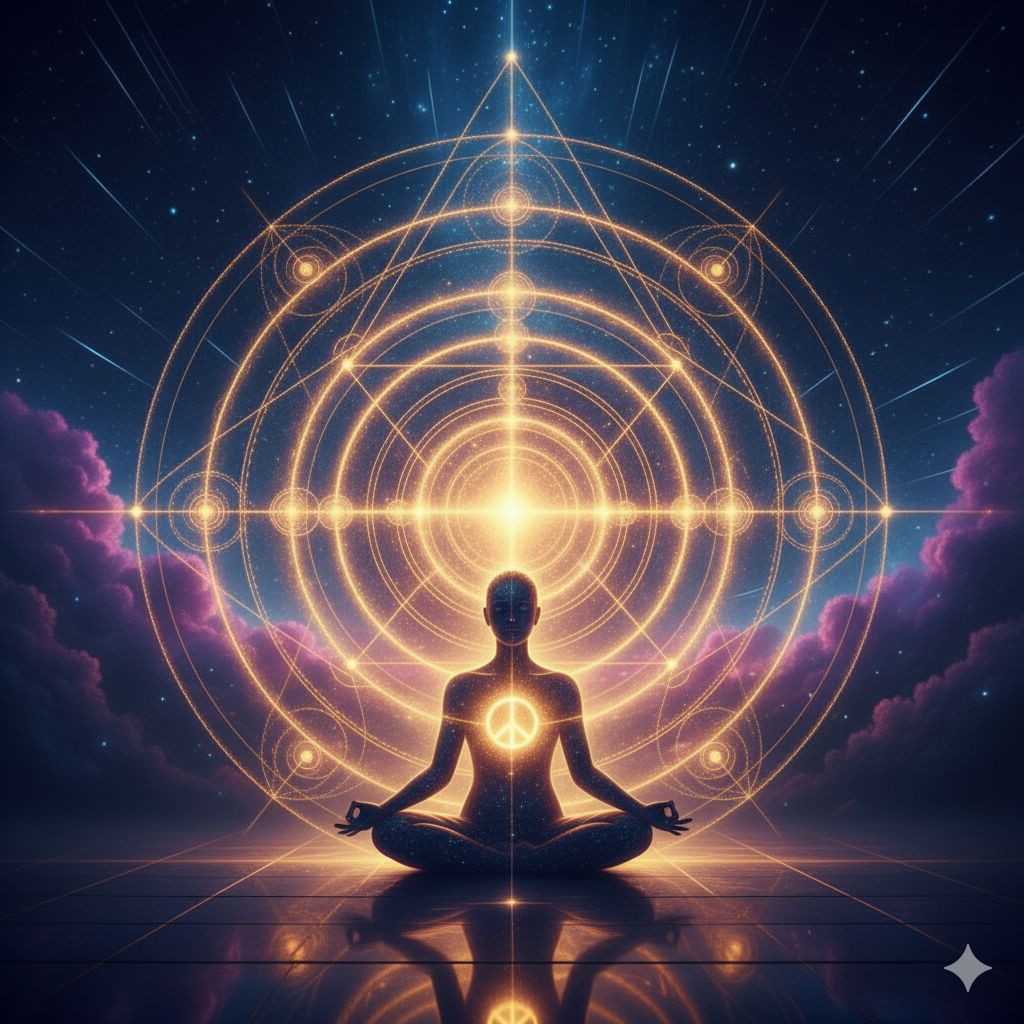
🔮 Energy healers believe it aligns with the 432 Hz frequency — the same tone known to calm the nervous system.
Meditators visualize it glowing in the chest, symbolizing inner silence amid chaos.
Spiritual layers:
- 🌿 Circle — unity of all beings.
- ⚡ Vertical line — link between spirit and matter.
- 🌊 Downward lines — grounding, humility, letting go.
🕯️ That’s why peace sign jewelry is often worn near the heart — to radiate calm and attract harmony.
⛪ The Peace Symbol in Religion and Faith Traditions
Even though the peace emblem was secular, it echoes ancient spiritual structures:
- Christianity: reminds believers of St. Peter’s humility — the inverted cross as service, not shame.
- Buddhism: reflects detachment and compassion; calm in chaos.
- Hinduism: the circle mirrors Om, the sound of creation.
- Islamic geometry: balance and divine order.
💬 Across faiths, it whispers the same truth: peace is the ultimate prayer.
💫 Peace Symbol in Art, Tattoos & Fashion — The Modern Mark of Soul Expression
When people ink ☮️ on their skin, they’re not just choosing a trend — they’re choosing identity.
A peace tattoo says:
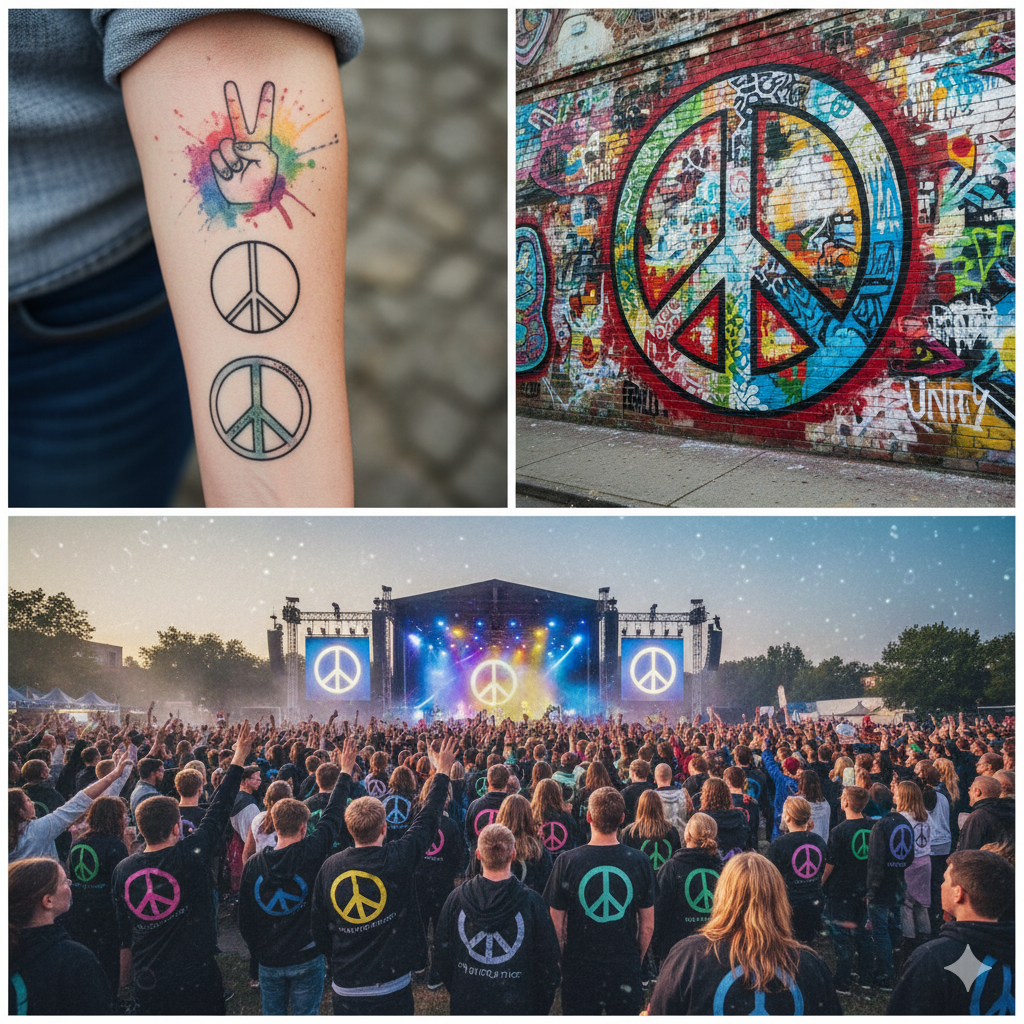
- “I’ve survived conflict.”
- “I choose calm.”
- “I believe in humanity.”
Designers mix it with flowers (for purity), hearts (for love), or wings (for freedom) — all amplifying its vibration of gentleness.
🎨 In fashion, the peace emblem has never faded — from 1969 Woodstock tees to Balenciaga’s 2025 “Soft Rebellion” line.
🧠 Psychologically, circular shapes make viewers feel safe and accepted, which is why this design continues to resonate subconsciously.
📺 Peace Symbol in Pop Culture — From Protest to TikTok
Every era reimagines ☮️:
- 1960s: John Lennon and Yoko Ono’s Bed-In for Peace.
- 1990s: streetwear and hip-hop reclaim it as “peace and love.”
- 2020s: YouTubers, digital artists, and Gen-Z activists use it as hashtags for empathy.
🎵 Music videos and online challenges (#PeaceChallenge, #UnityArt) keep its relevance alive.
Peace isn’t passive anymore — it’s trending again.
⚖️ The Symbolism of Shape — Why the Human Brain Trusts the Circle
Neuroscientists confirm that circular forms reduce stress.
When the eye meets symmetry, the amygdala (fear center) relaxes.
That’s why the peace sign feels safe — it’s geometry that comforts the mind.
Design psychologists call it visual serenity — a structure that unconsciously signals stability and connection.
So even before we think, our brains feel peace.
🧘 Peace Symbol in Dreams & Subconscious Meaning
Dreaming of the peace symbol is considered a spiritual awakening sign.
It often appears during transitions — signaling your mind’s desire for harmony.
- Seeing it glowing: inner calm ahead.
- Wearing it: you’re ready to forgive.
- Drawing it: creative peace work emerging.
🌙 In dream therapy, it’s classed as a “resolution archetype” — a symbol that tells the psyche, “You’re done fighting.”
🌱 Peace Symbol in Environmental Activism — Earth’s Voice in a Circle
In 1970, environmentalists adopted ☮️ during the first Earth Day.
They said peace isn’t only between humans — it’s between humans and Earth.
It became a visual anchor for sustainability campaigns, renewable energy protests, and wildlife movements.
Today, #PlanetPeace and eco-art murals carry the same message: Save nature, save ourselves.
🌐 Digital Age of Peace — Symbolism in the Internet Era
In 2025, the peace sign isn’t just drawn — it’s coded.
Used in emojis, avatars, and profile bios, ☮️ represents digital kindness and empathy online.
Algorithms even detect it in posts — associating it with positive sentiment and anti-hate content.
That’s why influencers use it to soften brand messaging and improve authenticity.
❓ FAQs
Q1. What does the peace symbol represent?
It stands for unity, compassion, and disarmament — a global message of hope.
Q2. Who created it?
British designer Gerald Holtom in 1958 for the Campaign for Nuclear Disarmament.
Q3. Why is it a circle with lines?
It combines semaphore letters “N” and “D,” surrounded by a circle representing Earth.
Q4. What does it mean spiritually?
Inner harmony, forgiveness, and divine balance — peace between mind and heart.
Q5. What does a peace tattoo symbolize?
Healing after pain, love for humanity, or personal transformation.
Q6. Why is it still popular today?
Because peace is timeless — and in a chaotic digital age, people crave simplicity and calm.
🕊️ Conclusion — The Circle That Still Holds Humanity Together
The peace symbol began as a sketch in despair — now it’s the most powerful reminder that gentleness can change history.
From protests to profiles, it still speaks one language: hope.
So when you wear it, post it, or ink it — remember:
“You’re not decorating. You’re declaring.”
☮️ Peace isn’t just a sign. It’s a statement.

Sophia Hayes is an expert in dream psychology and subconscious symbolism with over 10 years of experience in spiritual research and metaphysical sciences. Her passion lies in helping readers unlock the hidden messages within their dreams to improve emotional healing and personal growth. Through her deep understanding of spiritual symbolism, Sophia provides insightful, research-based interpretations that bridge science and spirituality. At DreamingSign.com, she shares transformative guidance to help individuals understand their dreams and connect with their higher selves.