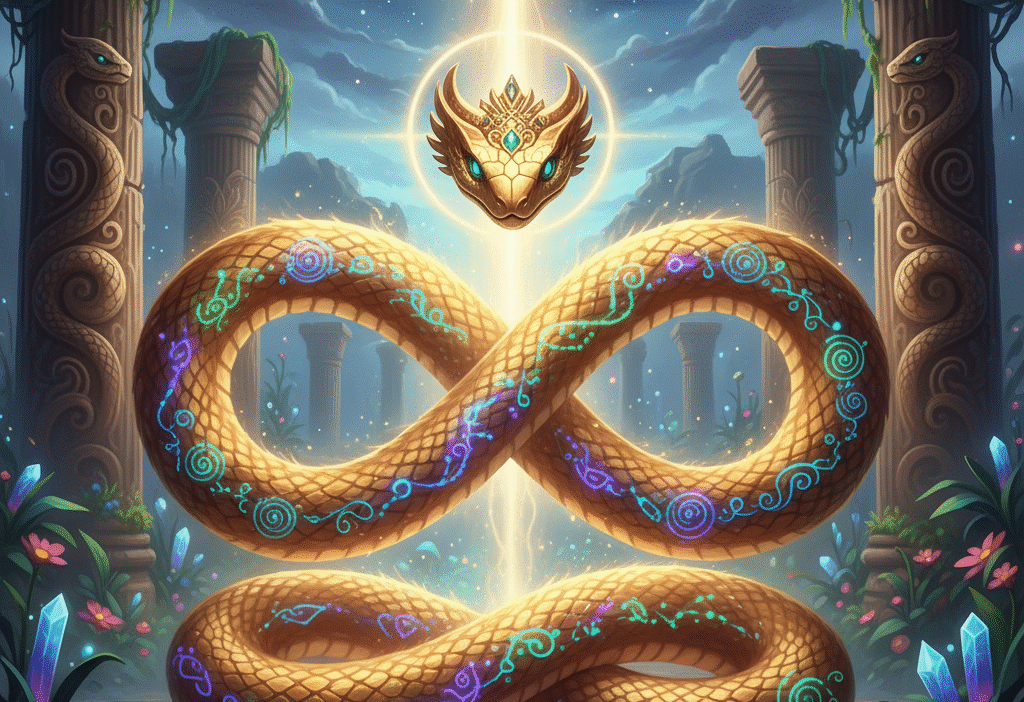
It slithers through history — feared by kings, worshiped by gods, and tattooed by warriors. 🐍
From the sacred temples of India to the golden deserts of Egypt, the snake has never been just a creature — it’s been a symbol of divine power, rebirth, and mystery.
In 2025, Google Trends shows a 35 % rise in searches for “snake symbol meaning”, proving that this ancient emblem still fascinates the modern world.
But behind those hypnotic eyes lies a deeper message — the story of life, death, healing, and transformation.
Let’s reveal the true meaning of the snake symbol and discover why this ancient sign still commands respect across cultures and centuries.
🧠 What Does the Snake Symbol Really Mean?
The snake symbol stands for transformation, rebirth, wisdom, and power.
When a snake sheds its skin, it mirrors the human journey — letting go of the past to embrace renewal.
“The snake teaches one truth: to evolve, you must shed what no longer fits.”
🌀 Core Symbolic Meanings
- Rebirth & Renewal — releasing the old, beginning anew.
- Energy & Power — linked to Kundalini, the coiled life-force energy.
- Healing & Medicine — seen in the Rod of Asclepius, symbol of global health.
- Duality & Mystery — creation and destruction, wisdom and temptation.
- Knowledge & Hidden Truth — guardian of secret wisdom since ancient times.
🌍 Snake Symbol Meaning Across Cultures
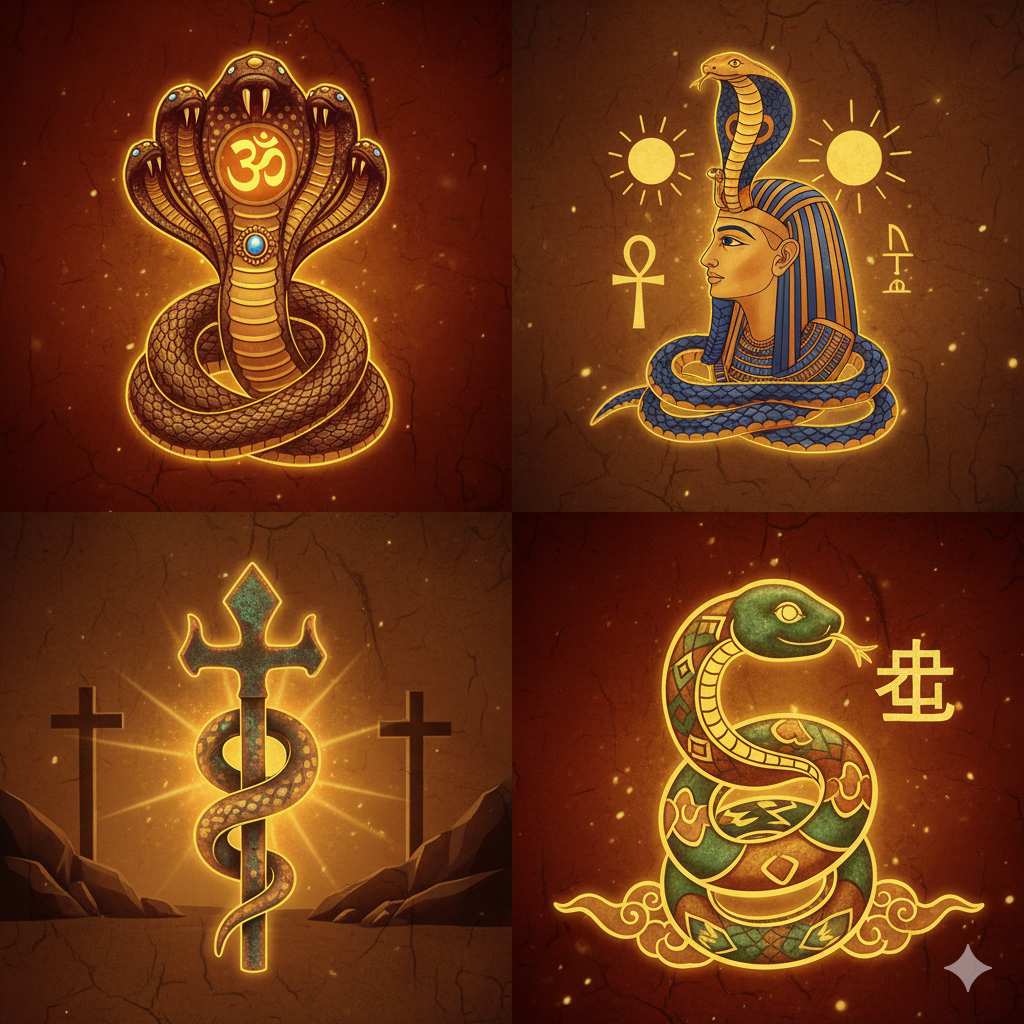
🕉️ 1. Hinduism — The Divine Energy of Nāga
In Hinduism, Nāgas (divine serpents) represent fertility, life, and protection.
- Lord Shiva wears a cobra around his neck, showing mastery over fear and death.
- Lord Vishnu rests upon the serpent Shesha, symbolizing eternal balance.
- In Kundalini Yoga, the coiled serpent at the spine signifies dormant spiritual power rising toward enlightenment.
The Hindu serpent reminds us that true power lies in control, not aggression.
✝️ 2. Christianity — Temptation, Wisdom, and Redemption
In the Bible, the serpent in Eden tempts Eve with forbidden knowledge, symbolizing desire and awareness.
Yet later, Moses raises a bronze serpent to heal the sick — the first medical symbol.
Thus Christianity presents the snake as both deceiver and healer, echoing humanity’s eternal struggle between sin and salvation.
🏺 3. Ancient Egypt — Royalty, Power, and Protection
The Egyptian cobra (Uraeus) crowned the pharaohs’ headdresses as a sign of divine authority.
The goddess Wadjet protected the sun-god Ra and destroyed evil with her fiery breath.
To Egyptians, the snake embodied immortal protection and royal wisdom.
🐉 4. Chinese Culture — Intelligence and Mystery
In Chinese symbolism, the snake represents elegance, intuition, and transformation.
Those born in the Year of the Snake are considered wise and insightful, able to sense danger before it strikes.
It’s also a yin-energy creature — quiet power, calm strength, and deep insight.
🌎 5. Native American Beliefs — Renewal and Healing
Many guilds see the snake as a symbol of earth’s cycles and rebirth.
When it sheds its skin, it mirrors healing and new life.
Ceremonies featuring snakes were performed to call rain, fertility, and renewal of nature.
🔮 Spiritual Meaning of the Snake Symbol
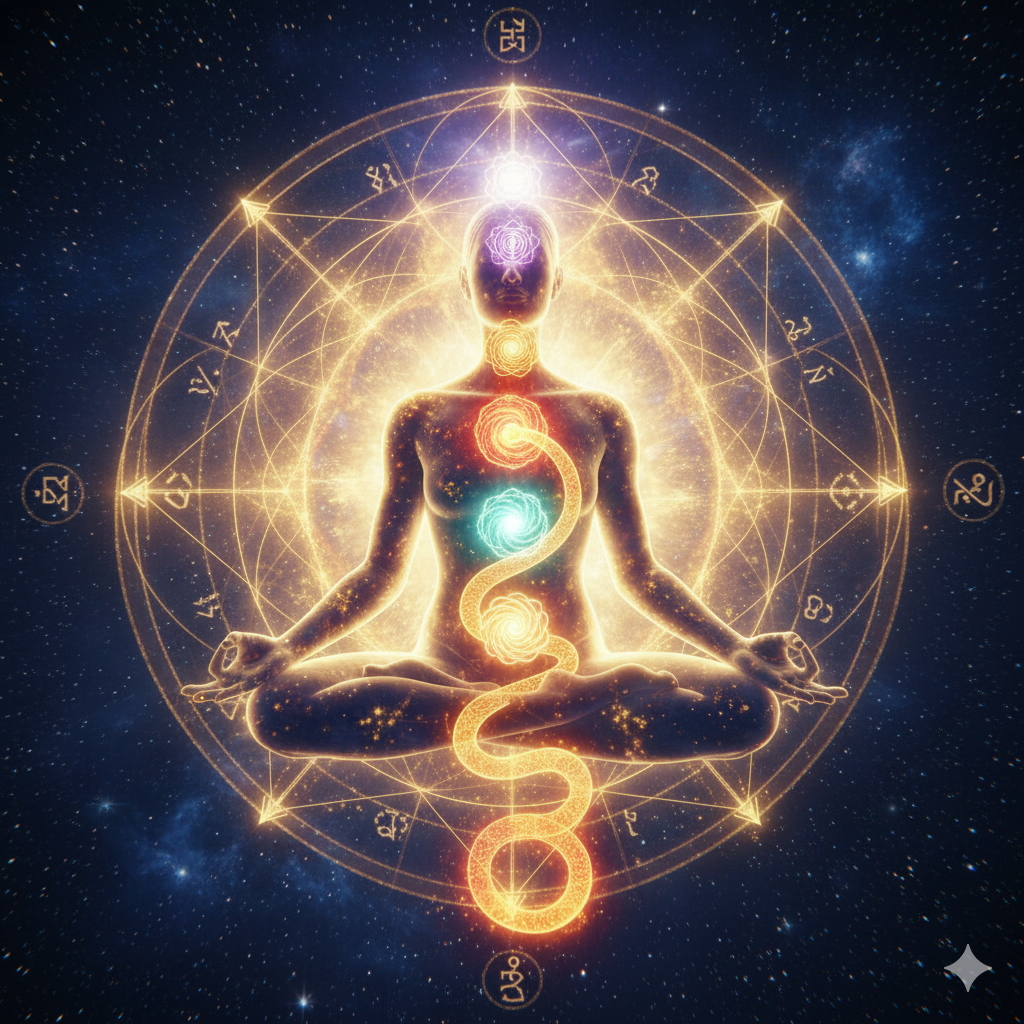
Spiritually, the serpent symbolizes awakening and transformation.
In esoteric traditions, it represents the Kundalini energy — a coiled force rising through the chakras, bringing self-realization and enlightenment.
To encounter a snake spiritually means the universe is urging change.
It’s an invitation to release fear, shed stagnation, and evolve.
💫 The Snake Symbol in Modern Times
🧿 In Tattoos
Snake tattoos represent rebirth, strength, and protection.
People choose them to mark personal transformation — the end of one life chapter and the start of another.
Common designs and meanings:
- Coiled snake → readiness and energy
- Snake + flowers → balance between beauty and danger
- Snake + skull → fearlessness and rebirth
💍 In Fashion and Jewelry
Luxury houses like Gucci, Versace, and Bulgari use serpents to symbolize temptation, immortality, and power.
In jewelry, the snake’s circular form stands for eternal love and continuity — a design traced back to Cleopatra’s era.
🎨 In Art and Pop Culture
From Renaissance frescoes to fantasy films, serpents depict wisdom, sensuality, and danger.
Modern culture reclaims the snake as a symbol of empowerment rather than evil.
😴 Snake Symbol Meaning in Dreams
Dream snakes often mirror emotional or spiritual transformation.
Here’s what different versions can signify:
| Snake Type | Meaning |
|---|---|
| White Snake | Purity, healing, divine guidance |
| Black Snake | Hidden fears or suppressed emotions |
| Green Snake | Growth, prosperity, renewal |
| Red Snake | Passion, life-force energy |
| Two-Headed Snake | Conflicting choices or dual path |
| Snake Biting You | Wake-up call for change or betrayal |
Dreams with snakes aren’t curses — they’re messages to evolve.
☮️ Peace Symbol Meaning — The Circle That Changed Humanity Forever 2025
🙋♀️ FAQs — People Also Ask
Q1. What is the spiritual meaning of a snake?
A snake represents awakening, rebirth, and transformation — the power to shed negativity and rise stronger.
Q2. Is the snake a good or bad symbol?
Both. It’s a symbol of duality — creation and destruction, healing and temptation.
Q3. Why do people get snake tattoos?
To mark personal transformation and inner strength — proof they’ve shed their past and survived.
Q4. What does a snake in a dream mean?
It signals emotional change or awakening — often a call to release fear.
Q5. Why is a snake used in the medical symbol?
It comes from the Greek myth of Asclepius, a healer whose staff entwined with a serpent became medicine’s emblem.
💬 Conclusion — The Power Within the Serpent
The snake isn’t merely a reptile; it’s a mirror of human evolution.
Across religions and time, it whispers the same message:
“Transformation is sacred — never fear the shedding.”
From ancient tombs to modern tattoos, the serpent continues to inspire strength, renewal, and awakening.
The next time you see a snake, ask yourself —
Is it warning you… or awakening you?
👇 What does the snake mean to you — danger or power? Share your thoughts below!

James Thornton is a researcher and writer focused on sleep science, lucid dreaming, and the neurological aspects of dream formation. With a strong academic foundation in cognitive science, James specializes in analyzing how dreams influence memory, creativity, and emotional health. His contributions to DreamingSign.com are well-known for their scientific accuracy and thought-provoking insights, helping readers understand the powerful connection between the brain and the dream world.