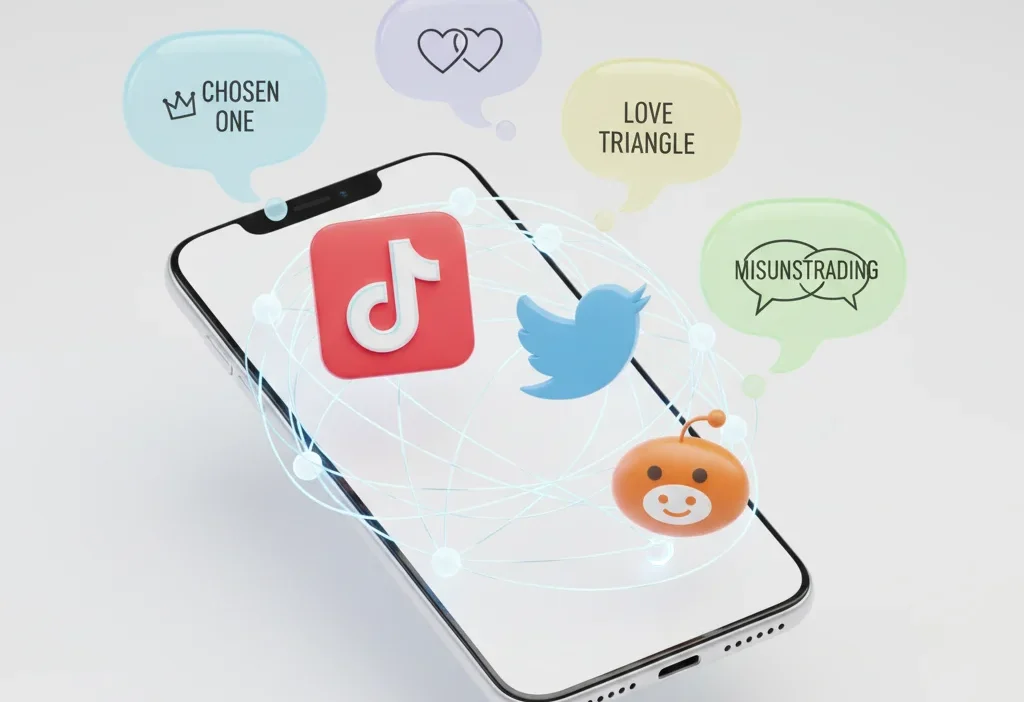
Ever been scrolling through TikTok or a fandom forum and seen a comment like, “Ugh, the ‘miscommunication trope’ again?” or “I live for the ‘friends to lovers’ trope!” and felt a little out of the loop? You’re not alone. I remember first seeing “trope” used heavily in a TV show discussion thread. I knew the words “metaphor” and “cliché,” but “trope” felt like some secret code for super-fans. It turns out, this isn’t texting slang in the traditional sense, but a key piece of vocabulary that has exploded in everyday digital conversation. Understanding it unlocks a whole new layer of how we talk about stories, memes, and even real-life situations online.
“Trope” does not mean a specific text slang like “LOL” or “BRB.” In digital communication, especially on social media, “trope” refers to a common, recognizable storytelling pattern, character type, or plot device. When someone says “that’s such a trope,” they mean it’s a familiar, often overused, narrative convention.
🧠 What Does “Trope” Mean in Text and Social Media?
While “trope” is a formal literary term, its meaning online is more flexible and conversational. In texts, comments, and DMs, calling something a “trope” is a shorthand for identifying a recurring theme or pattern you’ve seen before.
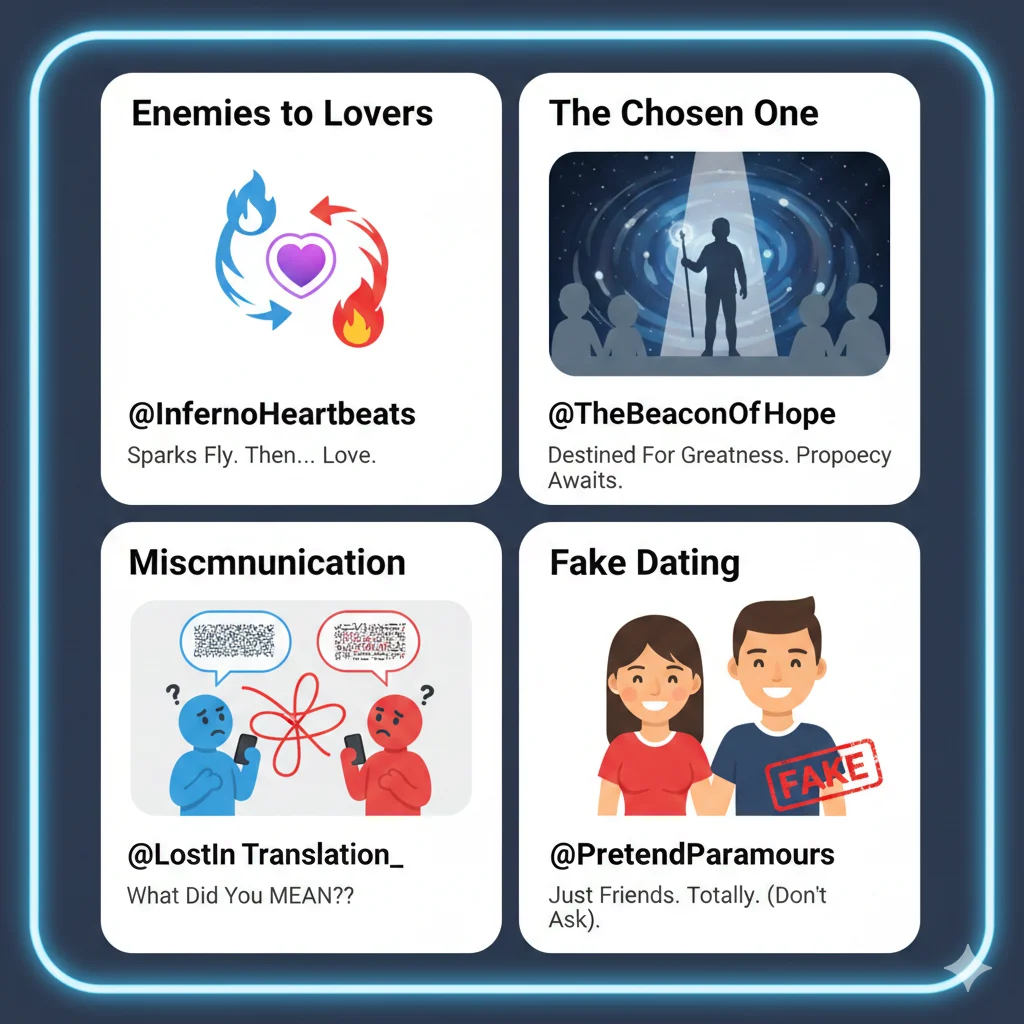
Its “full form” isn’t an acronym; it’s the word itself. Think of it as a categorization label for story elements. For example, in a book, the “Chosen One” (like Harry Potter) is a character trope. In a rom-com movie, “Fake Dating” leading to real feelings is a plot trope.
Example in a sentence: “This new K-drama has the ‘contract marriage’ trope, which is my favorite!”
In short: Trope = A common narrative pattern or device = A storytelling building block people instantly recognize.
📱 Where Is “Trope” Commonly Used?
You’ll encounter “trope” most often in communities built around discussing stories and content. It’s casual, analytical, and deeply social-media–friendly.
- 💬 Fandom Spaces: Tumblr, Reddit (r/books, r/movies, r/FanFiction), Discord servers. This is ground zero for trope discussion.
- 🎬 TikTok & YouTube: BookTok, FilmTok, and video essayists constantly analyze and popularize tropes (e.g., “Tropes I hate,” “Underrated Tropes”).
- 📖 Goodreads & StoryGraph: Users often tag books with tropes like “slow burn” or “grumpy x sunshine” to help others find what they like.
- 📱 Texting: Between friends who share media interests. “You’ll love this show, it’s full of the ‘found family’ trope.”
- 🎮 Gaming Communities: Discussing character archetypes (the “silent protagonist” trope) or common plotlines in games.
It is casual and community-oriented. You wouldn’t use it in a formal business email unless you work in media analysis
💬 Examples of “Trope” in Conversation
Here’s how “trope” flows naturally in digital chats:
- Recommending a show:
A: Got any show recs?
B: Watch ‘Heartbound Signal’! It’s got the perfect ‘only one bed’ trope 👀 - Complaining about a predictable plot:
A: I figured out the villain in the first 10 minutes.
B: Same. The ‘butler did it’ trope is so overused now. - In a fandom discussion:
A: Why do I love this chaotic character so much?
B: Classic ‘hurt/comfort’ trope. He’s rude to everyone but soft for her. - Describing your reading taste:
A: What kind of books are you into?
B: I’m a sucker for anything with the ‘grumpy x sunshine’ trope. - Analyzing a meme format:
A: This “distracted boyfriend” meme is everywhere.
B: It’s become a visual trope for temptation or disloyalty.
🕓 When to Use and When Not to Use “Trope”
✅ When to Use “Trope”:
- When discussing movies, TV, books, games, or comics with friends.
- In online reviews or recommendations to quickly describe content.
- When analyzing patterns in storytelling or even real-world events humorously (e.g., “the ‘forgot my lunch’ trope is happening to me again”).
- In creative writing or fandom spaces to tag or categorize work.
❌ When NOT to Use “Trope”:
- In formal academic or business writing (use “motif,” “convention,” or “device” as appropriate).
- When explaining something to someone unfamiliar with media analysis—it might confuse them.
- In urgent or literal situations. (Don’t say “I’m stuck in a ‘late for work’ trope” to your boss!).
| Context | Example Phrase | Why It Works |
|---|---|---|
| Friend Chat | “This book is pure ‘slow burn romance’ trope perfection. 😍” | Casual, specific, and creates shared understanding. |
| Online Review | “A fun mystery, though it relies heavily on the ‘red herring’ trope.” | Useful shorthand for potential readers. |
| Formal Essay | “The film employs the hero’s journey narrative structure.” | Uses precise, academic language instead of colloquial “trope.” |
🔄 Similar Slang Words or Alternatives
“Trope” sits in a family of words used to critique and categorize stories. Here’s how it compares:
| Slang/Term | Meaning | When to Use It |
|---|---|---|
| Trope | A common, recognizable story pattern or device. | Neutral or analytical discussion of story elements. |
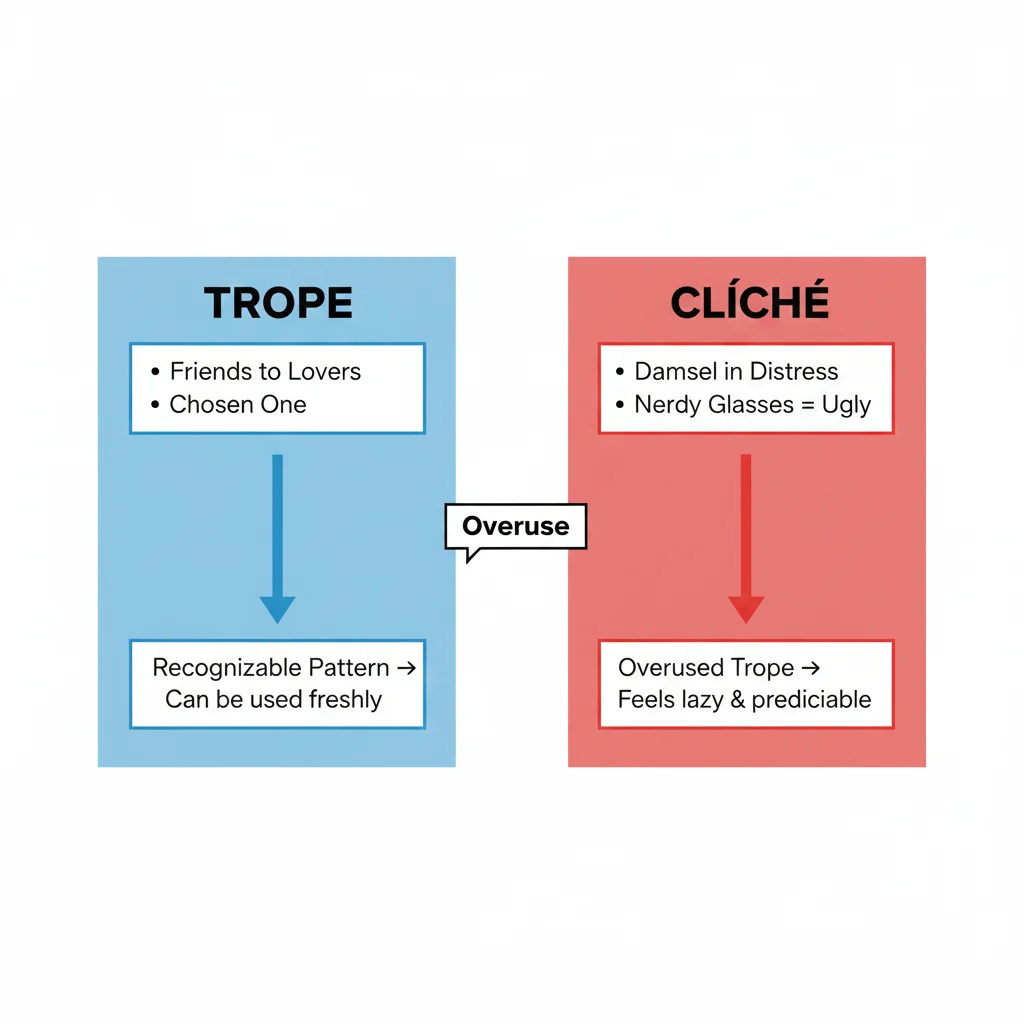
| Cliché | A overused and unoriginal trope that feels tired. | When you want to criticize something as predictable or lazy. |
| Archetype | A universal, foundational character model (e.g., The Hero, The Mentor). | Discussing very broad, classic character roles. |
| Motif | A recurring image, symbol, or idea that develops a theme. | Discussing deeper symbolic patterns, not just plot points. |
| Genre | A category of art (e.g., Romance, Sci-Fi). | Describing the broad style or setting of a story. |
| Headcanon | A belief or detail about a story that isn’t official but fans accept. | Sharing personal fan theories or interpretations. |
❓ FAQs About “Trope”
Q: Is “trope” a bad word? Does it mean cliché?
A: Not inherently! A trope is a neutral tool. It only becomes a cliché when it’s used so often and without originality that it feels boring and predictable. Many people love and seek out specific tropes.
Q: Can “trope” be used for real-life things?
A: Yes, humorously and metaphorically. You might say, “My Monday is following the ‘everything goes wrong’ trope,” to frame your bad day as a predictable story pattern.
Q: What are some of the most popular tropes right now?
A: On platforms like BookTok, “Grumpy x Sunshine,” “Fake Dating,” “Found Family,” “Enemies to Lovers,” and “Slow Burn” are perennially popular.
Q: How is a trope different from a plot?
A: A plot is the unique sequence of events in a specific story. A trope is a common ingredient found in many plots. For example, “the hero defeats the villain” is a common trope; how Harry Potter defeats Voldemort is the plot.
Conclusion
So, the next time you see “trope” pop up in your feeds or messages, you’re in on the secret. It’s not obscure slang, but a powerful piece of shared cultural language. It’s the word we use to map the patterns of the stories we love (or love to hate), connecting fans and critics across the digital world. From the “love triangle” in your favorite show to the “underdog story” in a sports meme, recognizing tropes adds a fun layer of understanding to how we consume and talk about media. Now you can confidently join the conversation, recommend a story by its tropes, or even laugh about the “unexpected guest” trope playing out in your own life. Happy trope-spotting

Olivia Bennett is a lifestyle researcher and holistic wellness advocate specializing in mindfulness, dream healing, and manifestation techniques. With a background in psychology and meditation therapy, Olivia writes to empower readers to achieve mental clarity and emotional balance through dream awareness. Her articles provide practical tips, spiritual insights, and real-life strategies for boosting intuition and creating a more meaningful life. Olivia’s work at DreamingSign.com inspires readers to use dreams as a tool for personal transformation.